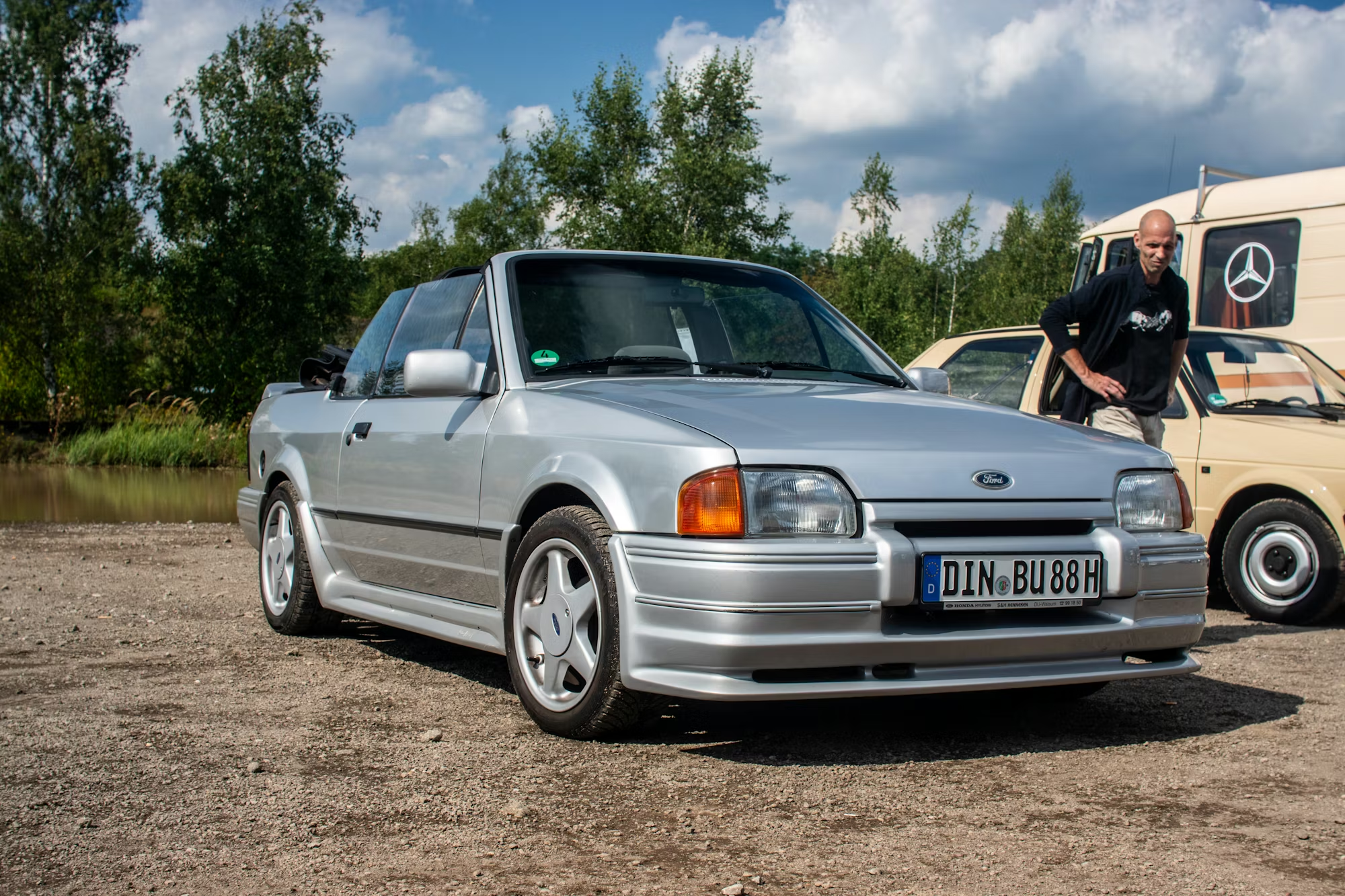
Luxury cars have long been synonymous with elegance, performance, and cutting-edge technology. As the automotive industry evolves, luxury vehicles are at the forefront of innovation, combining superior craftsmanship with state-of-the-art features. This article explores the world of luxury cars, examining what sets them apart from mainstream vehicles and how they continue to captivate enthusiasts and consumers alike.
At the heart of luxury cars is the commitment to exceptional craftsmanship. Brands such as Rolls-Royce, Bentley, and Aston Martin are renowned for their meticulous attention to detail, using high-quality materials and skilled artisans to create vehicles that are as much works of art as they are modes of transportation. Every element, from the hand-stitched leather upholstery to the precision-engineered components, reflects a dedication to excellence that elevates the driving experience.
In addition to craftsmanship, luxury cars are characterized by their advanced technology. The integration of cutting-edge features enhances comfort, convenience, and safety. For example, many luxury models come equipped with adaptive cruise control, lane-keeping assistance, and advanced infotainment systems that offer seamless connectivity to smartphones and navigation tools. Brands like Mercedes-Benz and BMW consistently push the envelope, incorporating innovations such as augmented reality displays and voice-activated controls, allowing drivers to interact with their vehicles in intuitive ways.
One of the defining aspects of luxury cars is their performance. High-end manufacturers prioritize engineering excellence, resulting in vehicles that deliver exhilarating power and handling. Brands like Ferrari and Lamborghini are synonymous with speed and agility, boasting powerful engines and finely-tuned suspensions that provide an unparalleled driving experience. These manufacturers continuously refine their technologies, utilizing lightweight materials and aerodynamic designs to enhance performance without sacrificing comfort.
Electric luxury vehicles are also gaining traction as environmental concerns shape consumer preferences. Brands like Tesla have redefined the luxury segment by offering high-performance electric cars that compete with traditional powerhouses. The Tesla Model S, for instance, combines sleek design with impressive acceleration and range, appealing to eco-conscious consumers who refuse to compromise on luxury. As more luxury brands enter the electric market, the definition of what constitutes a luxury vehicle is expanding to include sustainable options that maintain high performance and style.
Another key element of luxury cars is personalization. Many high-end manufacturers offer extensive customization options, allowing buyers to tailor their vehicles to their unique tastes. From bespoke paint colors to personalized interior finishes, the ability to create a one-of-a-kind vehicle enhances the luxury experience. Brands like Bentley have built their reputation on offering unique customization programs, where clients can choose everything from the color of the stitching to the materials used in the cabin.
The driving experience in luxury cars is designed to be a cut above the rest. Features such as adaptive air suspension, noise-canceling technology, and advanced climate control systems ensure that every journey is comfortable and serene. Luxury vehicles often incorporate a range of driving modes, allowing drivers to switch between comfort, sport, and eco settings to match their preferences. This versatility adds to the allure of luxury cars, making them suitable for both relaxed cruising and spirited driving.
Furthermore, luxury car manufacturers are increasingly focusing on sustainability, not only in terms of electric options but also through eco-friendly materials and manufacturing processes. Brands are exploring the use of recycled materials, vegan leather, and sustainable sourcing methods, appealing to consumers who prioritize environmental responsibility. For instance, brands like Volvo and BMW are integrating these practices into their luxury lineups, ensuring that elegance and sustainability can coexist.
The luxury automotive market is also marked by exclusivity. Limited-edition models and bespoke builds create a sense of rarity that appeals to collectors and enthusiasts. Brands like Pagani and Bugatti produce a select number of vehicles each year, often featuring unique design elements and high-performance specifications. This exclusivity not only enhances the desirability of these cars but also solidifies their status as symbols of wealth and prestige.
As the automotive landscape continues to evolve, the future of luxury cars looks promising. Innovations in connectivity, automation, and sustainable practices are shaping the next generation of luxury vehicles. Features such as semi-autonomous driving and vehicle-to-everything (V2X) communication are becoming increasingly common, enhancing safety and convenience while maintaining the luxury experience. These advancements position luxury cars not only as status symbols but also as leading-edge technology showcases.
In conclusion, the world of luxury cars is a captivating blend of artistry, performance, and innovation. With a focus on craftsmanship, advanced technology, and personalized experiences, luxury vehicles stand out in the automotive landscape. As consumer preferences shift towards sustainability and connectivity, luxury brands are adapting to meet these demands while maintaining their commitment to excellence. The allure of luxury cars continues to thrive, promising an exciting future for enthusiasts and consumers alike.