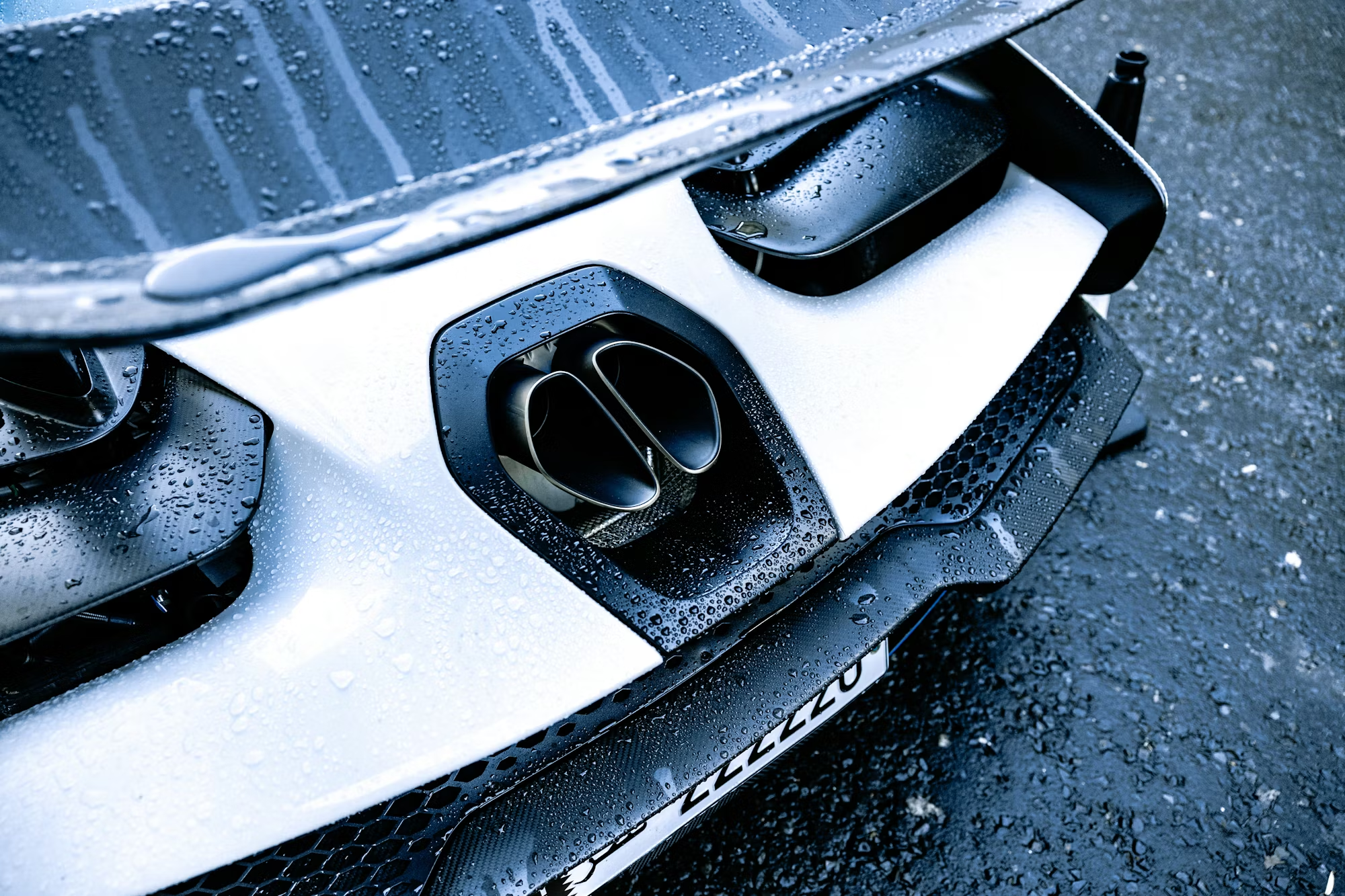
Supercars have long been the epitome of automotive performance, embodying the dream of speed, luxury, and cutting-edge technology. These vehicles represent not just a means of transportation, but a statement of engineering prowess and aesthetic beauty. This article explores the rich history of supercars, the innovations that have shaped them, and their role in the automotive landscape of today and tomorrow.
The origins of supercars can be traced back to the mid-20th century when manufacturers began to push the boundaries of performance. Brands like Ferrari and Lamborghini emerged during this golden age, creating vehicles that were not only fast but also visually stunning. The iconic Ferrari 250 GTO, produced in the early 1960s, set the stage for what would become the modern supercar. With its lightweight construction and powerful V12 engine, it remains one of the most sought-after collector’s items today.
Lamborghini’s Miura, launched in 1966, was another game-changer. Often regarded as the first true supercar, the Miura featured a mid-engine layout that provided exceptional handling and performance. Its sleek design and roaring engine captured the imagination of car enthusiasts around the world, cementing Lamborghini’s place in automotive history. These early models laid the groundwork for the supercars that would follow, combining speed with innovative engineering.
The Evolution of Performance
As technology advanced, so too did the capabilities of supercars. The 1980s saw the introduction of turbocharging and aerodynamics as crucial elements in enhancing performance. Vehicles like the Porsche 959 showcased the benefits of these advancements, achieving remarkable speeds and handling characteristics. The 959’s all-wheel-drive system and aerodynamic design were revolutionary at the time, pushing the boundaries of what a sports car could achieve.
The 1990s brought further innovations, with manufacturers focusing on weight reduction and improved materials. The McLaren F1, launched in 1992, utilized carbon fiber extensively in its construction, making it not only lightweight but also incredibly strong. With a top speed of 240 mph, it held the title of the world’s fastest production car for many years. The F1’s blend of performance, luxury, and exclusivity set a new standard for supercars, influencing future designs across the industry.
Modern Marvels
Today’s supercars continue to push the envelope, with manufacturers leveraging cutting-edge technology and design principles to create truly remarkable vehicles. The introduction of hybrid technology has opened new avenues for performance. The Ferrari SF90 Stradale exemplifies this trend, combining a powerful twin-turbo V8 engine with three electric motors. This setup not only delivers jaw-dropping performance but also improves efficiency, showcasing how traditional power can be harmonized with modern technology.
Similarly, the McLaren Artura features a hybrid powertrain that offers a seamless blend of power and efficiency. With a focus on lightweight construction and aerodynamics, the Artura delivers exhilarating performance while maintaining an environmentally conscious approach. This shift towards hybrid systems reflects a broader trend within the industry, as manufacturers seek to balance performance with sustainability.
The Role of Design and Aerodynamics
The design of supercars has always been a crucial aspect of their allure. Aerodynamics play a significant role in enhancing performance, and manufacturers invest heavily in research and development to optimize their vehicles’ shapes. The Bugatti Chiron is a prime example, utilizing advanced aerodynamics to achieve incredible top speeds while ensuring stability at high velocities. Its sleek lines and sophisticated engineering make it not only a performance marvel but also a work of art.
Aston Martin’s Valkyrie pushes the boundaries of design and performance even further. With a focus on creating a vehicle that feels like a race car for the road, the Valkyrie incorporates extreme aerodynamic features and lightweight materials to achieve unprecedented performance. Its design is a testament to the brand’s commitment to blending performance with luxury, offering a driving experience that is both exhilarating and refined.
Sustainability and the Future of Supercars
As the automotive industry faces increasing scrutiny regarding environmental impact, supercar manufacturers are adapting to meet new challenges. The shift towards electric vehicles is gaining momentum, and several brands are leading the way in developing electric supercars that do not compromise on performance. The Rimac C_Two stands out in this category, boasting a staggering 1,914 horsepower and a top speed exceeding 250 mph. Rimac’s commitment to electric performance challenges the notion that supercars must rely on traditional internal combustion engines.
Lotus’s Evija, an all-electric hypercar, also exemplifies the future of supercars. With a design focused on lightweight construction and aerodynamics, the Evija delivers thrilling performance while emphasizing sustainability. The integration of advanced technology and a commitment to zero emissions positions Lotus as a key player in the evolving landscape of high-performance vehicles.
The Culture of Supercars
The world of supercars extends beyond performance; it is a culture that captivates enthusiasts and collectors alike. Events such as the Geneva International Motor Show and the Monterey Car Week draw thousands of car lovers who celebrate these engineering marvels. Collectors often invest in rare models, recognizing their potential for appreciation while cherishing their unique design and history.
Social media has also played a significant role in the supercar culture, allowing enthusiasts to connect, share their experiences, and showcase their vehicles. Platforms like Instagram and YouTube have become virtual galleries where stunning visuals and exhilarating driving experiences are shared with millions of followers. This digital presence has heightened awareness and appreciation for supercars, drawing in a new generation of enthusiasts.
Conclusion
The legacy of supercars is one of performance, innovation, and passion. As manufacturers continue to push the boundaries of engineering, the future promises exciting developments that will redefine what is possible in the realm of high-performance vehicles. With a growing focus on sustainability and advanced technology, the supercars of tomorrow will likely blend speed and luxury with a commitment to protecting our planet. This evolution ensures that the spirit of supercars will endure, inspiring generations of enthusiasts and engineers alike.